
I made my very first attempt at building a website in the late 1990s, when I created a simple presentation in PowerPoint and published it online using an open-source FTP application called FileZilla. I still remember the awe I felt browsing NetMarket, the first online store.
Fast forward to 2025, and web technology has evolved dramatically. Drag-and-drop builders, AI-powered design tools, and intuitive CMS platforms have democratized web creation. Even those without coding experience can now craft professional-grade sites.
Despite this progress, there’s something nostalgic about those early days—the thrill of discovery and the pioneering spirit. Today’s tools may be more sophisticated, but the excitement of bringing ideas to life online remains timeless.
Over the past decade, I’ve embraced WordPress, using Elementor and Colibri to build visually engaging sites. As I gained confidence, I learned HTML, CSS, and JavaScript to customize my designs. More recently, I’ve explored Python and frameworks like Bootstrap, React, and Vue.js to deepen functionality.
Come In, AI
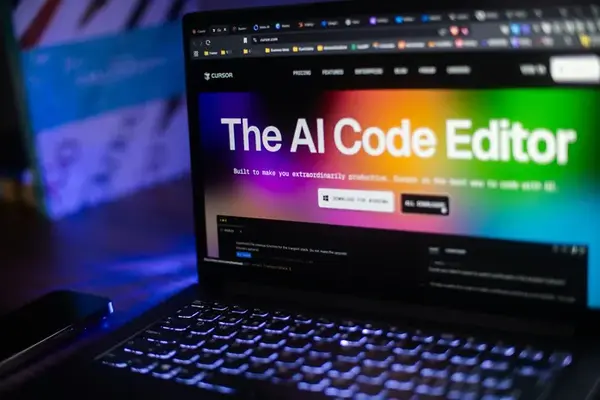
AI has revolutionized web design. From Wix ADI to GitHub Copilot, automation is making development faster and more accessible. AI can generate layouts, suggest color schemes, and write clean code based on user input. Machine learning personalizes content dynamically, while chatbots enhance user engagement.
Today’s AI-driven website builders promise fully automated site generation in minutes. Platforms like Wix ADI, Hostinger Website Builder, and 10Web AI Builder analyze user preferences and generate responsive, SEO-optimized websites—no coding required.
But while AI can create impressive templates, the question remains: can it deliver a truly tailored and engaging web presence?
Read how I built this website using AI.