
I was first introduced to programming at secondary school, during my final year of Abitur (A-Levels). A new subject called “Informatics” appeared on our curriculum. It was the late ’80s and early ’90s—computers weren’t really a thing yet, and life felt simpler.
I still remember the big hair, tacky earrings, and ripped jeans I wore to dance away my teen troubles at 5–9 pm disco nights. No mobile phones. No way for my parents to trace me. Imagine that.
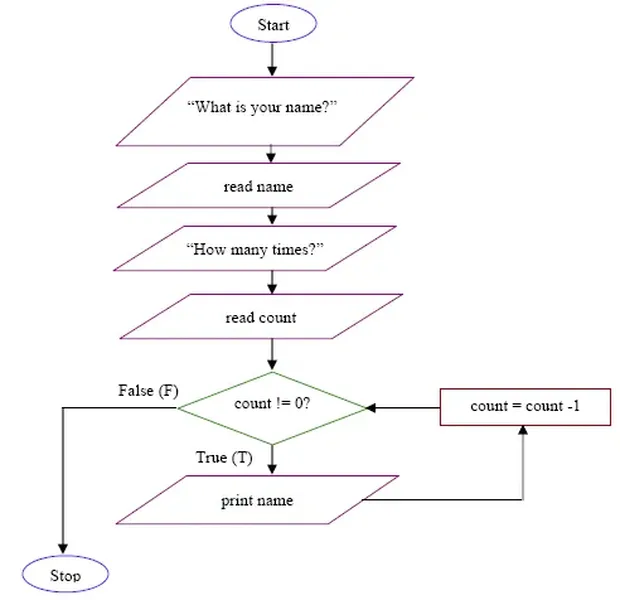
My studies were rooted in humanistic subjects. I’d learned to read at four and was fluent by the time I started school. Languages were my domain. So when our new teacher started drawing geometric shapes and explaining how they represented computer programs, I’d zone out and daydream about the boy I’d met at the disco. I was taking A-levels in languages—who cared about computers?
As predicted, my career steered toward languages. I studied German, Russian, and English, spent two years as an au pair in Britain, and earned a Cambridge Certificate of Proficiency in English. I went on to teach languages and work as a translator.
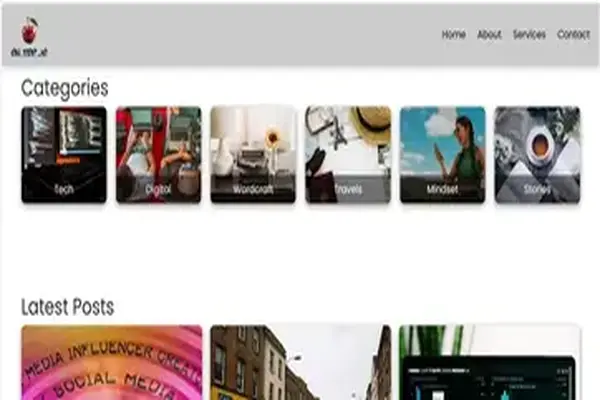
Fast forward a few decades, and here I am—back in class, learning programming languages I’d love to add to my list. It’s frustrating at times, especially when a bug messes up my website. But I know I’ll get there.
How do I know? Because I’ve done it before. And this time, I have a huge advantage: the transferable skills I gained as a translator.
Looking back, it’s amazing how a love for languages led me back to programming. Both paths involve translating complex ideas—across cultures or through code—into something understandable and accessible. The patience, problem-solving, and attention to detail that once served me in translation now guide me as I untangle code.
The learning curve is steep, but I’m equipped with skills that transcend any single language—spoken or programmed. I’m excited to see where this new chapter takes me and how the worlds of language and technology will continue to intersect in surprising ways.