
There’s a popular story that often circulates in motivational circles:
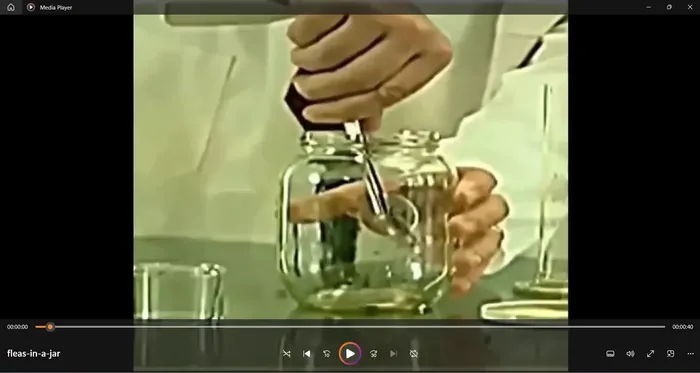
A scientist places fleas in a jar and seals the lid. The fleas jump, hitting the lid repeatedly. After a few days, they stop jumping high enough to hit it. Then the lid is removed—but the fleas never jump higher than the invisible boundary. Even their offspring follow suit.
Whether or not this is scientifically accurate, it’s a powerful metaphor for learned limitation.
The Power of Conditioning
Early failures, discouragement, or imposed limits can shape our expectations. We stop trying—not because we’re incapable, but because we’ve been conditioned to expect failure.
Like the fleas, we operate within invisible boundaries. We assume “this is just the way things are.” And we may pass those beliefs on to others.
Recognizing the Lid
The hardest part is realizing the lid exists. It’s not physical—it’s belief. Here are a few common examples:
- “I’m just not good with money.”
- “People like me don’t get promoted.”
- “I’m too old to start something new.”
- “Creativity isn’t my thing.”
How to Break the Jar
- Identify limiting patterns. Where do you feel stuck?
- Question assumptions. Are they objectively true?
- Test boundaries. Stretch beyond your comfort zone.
- Find lid-breakers. Surround yourself with people who challenge limits.
- Reflect often. Ask: Am I living under a ceiling that no longer exists?
You Are Not a Flea
You have self-awareness, choice, and the ability to rewrite your story. The jar may be gone. The lid may have lifted years ago. The only thing keeping you jumping low... might be the belief that it’s still there.
Your potential isn’t capped by your past.
Break the jar. Jump higher. Teach the next generation to fly, not crouch.
⚠️ Disclaimer: The Flea in a Jar Video Is a Metaphor, Not a Scientific Fact
This story is not supported by scientific evidence. Fleas do not exhibit generational behavioral conditioning. The tale is best understood as a symbolic fable, similar to the story of the baby elephant tied with a rope.
- Fleas are simple organisms without cognitive conditioning or generational memory.
- There are no peer-reviewed studies confirming this behavior.
- The story’s power lies in its symbolism, not its literal truth.