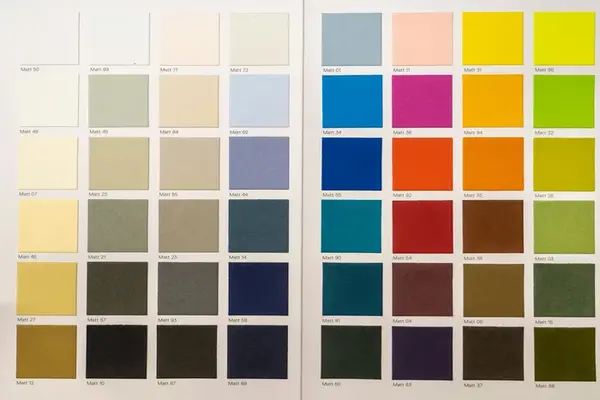

Color plays a crucial role in shaping consumer perception. It influences emotions, guides decisions, and strengthens brand recognition. Understanding the psychology behind color selection allows businesses to connect with their audience more effectively and create impactful marketing strategies.
The Influence of Color in Branding
Each color carries its own psychological weight, evoking emotions that shape how people perceive a brand. The right combination can position a company as reliable, energetic, luxurious, or innovative.
Common Colors and Their Associations
- Red (#FF0000) — urgency, passion, excitement. Used for promotions and call-to-action buttons.
- Blue (#0000FF) — trust, professionalism, security. Favored by corporate brands.
- Yellow (#FFD700) — warmth, happiness, optimism. Common in food and retail branding.
- Green (#008000) — growth, health, sustainability. Popular in wellness and eco-friendly sectors.
- Black (#000000) — luxury, sophistication, exclusivity. Used by high-end brands.
- Purple (#800080) — creativity, royalty, imagination. Seen in beauty and artistic brands.
- Orange (#FFA500) — energy, enthusiasm, friendliness. Targets younger audiences.
How Color Influences Digital Marketing
Online platforms rely heavily on color to optimize engagement and increase conversions. Whether on websites, ads, or social media, color psychology shapes user behavior.
Colors That Drive Action
- Red — urgency; great for checkout buttons and limited-time offers.
- Green — positivity; ideal for submit buttons and confirmations.
- Orange — engagement; effective for sign-ups and calls to action.
- Blue — trust; used in login pages and payment portals.
- Black — exclusivity; reinforces premium branding.
- Yellow — attention-grabbing; great for banners and alerts.
Brand Examples Leveraging Color Psychology
Spotify: Vibrant green reflects creativity and energy.
Tiffany & Co.: Iconic Tiffany Blue signals elegance and exclusivity.
Netflix: Bold red evokes excitement and urgency.
Final Thoughts
Color is more than aesthetic—it’s strategic. It defines brand personality and enhances marketing effectiveness. By understanding color psychology, businesses can build stronger emotional connections and optimize their digital presence for better engagement and results.